
 Mary Anne
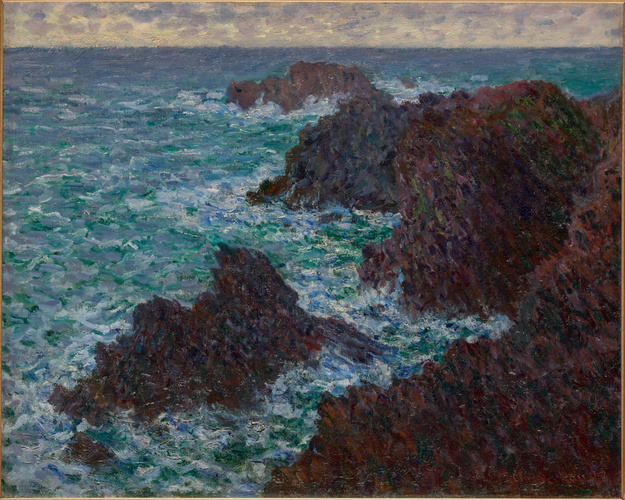
Think of Claude Monet and you don’t immediately think of Brittany. But in mid September 1886, Monet traveled to the island of Belle-Île-en-Mer and was captivated. In one of his daily letters to Alice Hoschedé, his muse and partner since 1876, he wrote:
“It was a joy for me to see the sea in all its fury; it was like a drug, and I was so carried away that today I was devastated to see the weather calm down so quickly.”
Brittany and the Impressionists
The Impressionists had fallen in love with Brittany. Eugène Boudin, Georges Lacombe, Paul Sérusier, Maximilien Luce and others painted the country in the Crozon Peninsula and the pretty ports of Camaret and Morgat. Pont-Aven is forever associated with the later movement led by Paul Gauguin. But Belle-Île belongs to Monet.
Why Monet Chose Brittany
In 1886 Monet had collected an advance payment of 3,000 francs from his dealer and was looking for new inspiration. He had recently read Par les champs et par les grèves (Over Fields and Shores), a travel book written by Gustave Flaubert on his walking tour with his friend Maxime Du Camp through Brittany and particularly on the rugged beautiful landscape of Belle-Ile. It was finally published posthumously in 1885 and the descriptions of Brittany portrayed a landscape far removed from the gentler regions of France.
“We were in the middle of a vast moor, entirely purple with heather… All around us the horizon was bounded by great grey rocks, piled up like Druid monuments; it was silent, mournful, and superb.”
Belle-Île-en-Mer Island
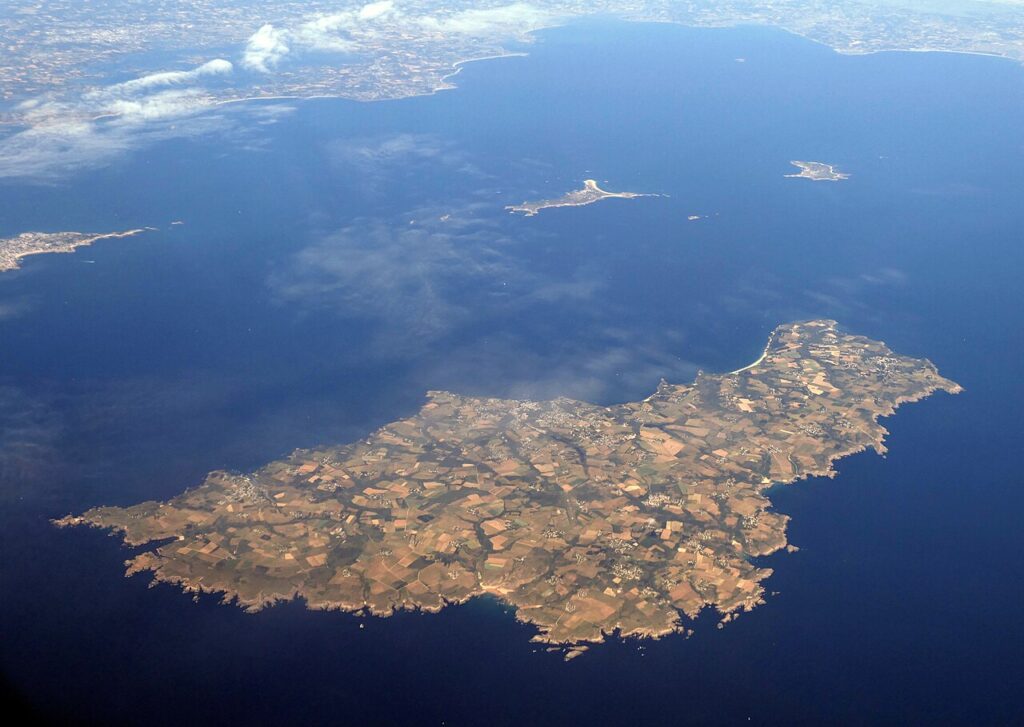
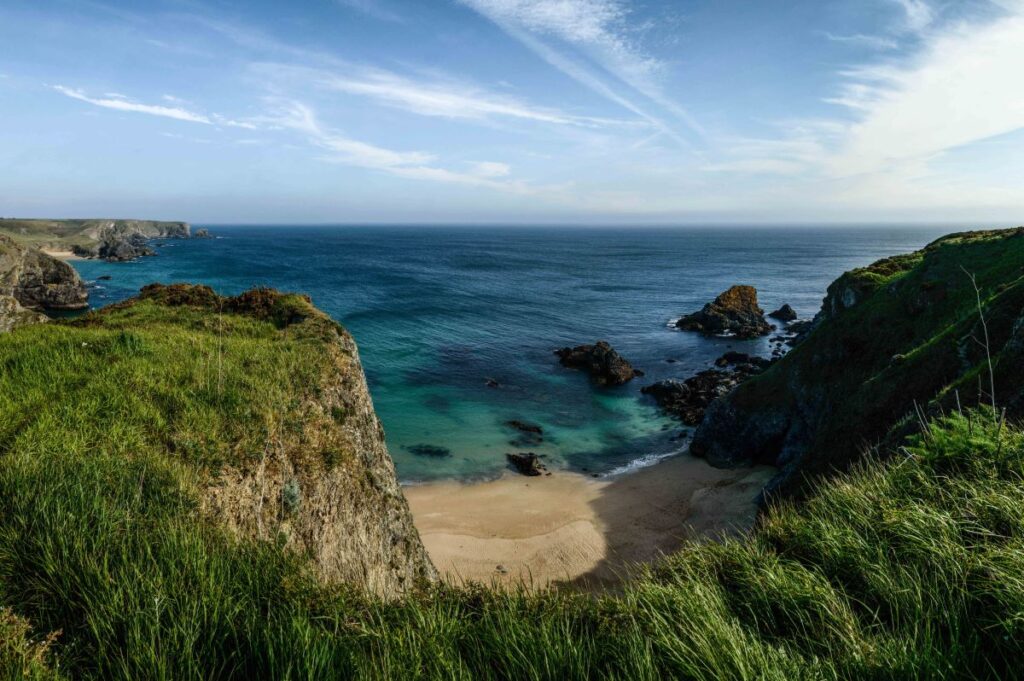
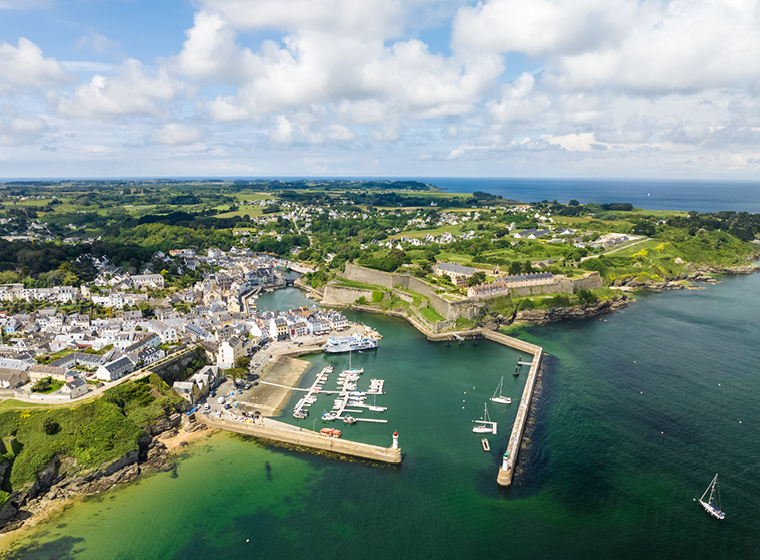
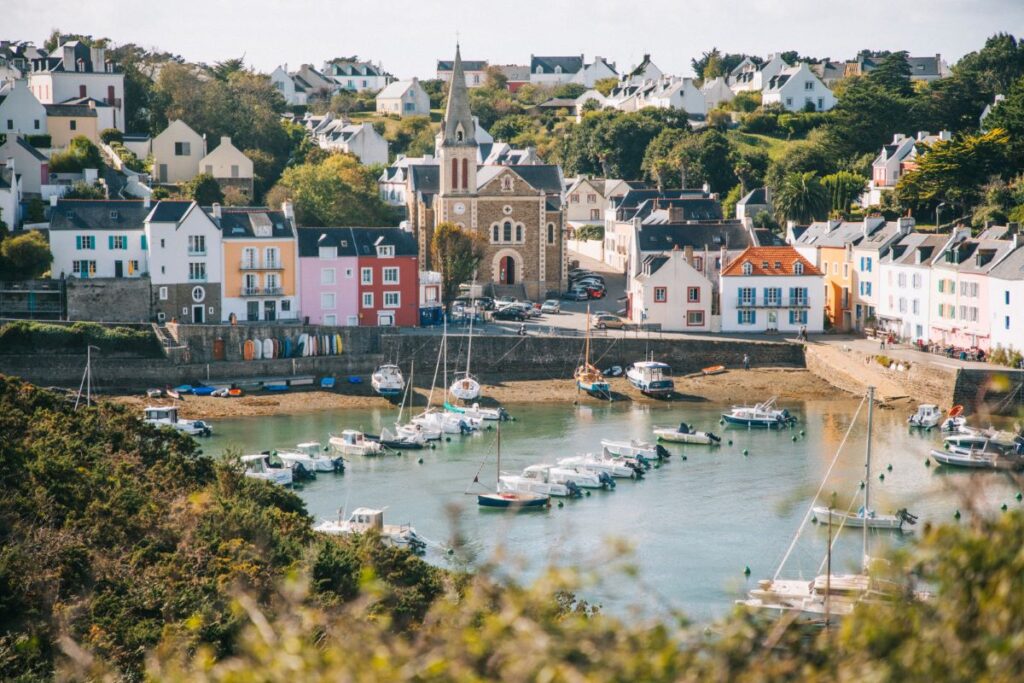
Belle-Île-en-Mer to give it the official name is the largest island off the Brittany coast. It’s around 85 square kilometres and has its fair share of sandy beaches, charming villages like Le Palais and Sauzon and those dramatic cliffs and rocky shores so beloved by Monet.
Discover more about Belle-Île-en-Mer in Beautiful Islands of Brittany
Belle-Île and Monet
In September 1886 Monet set off for Belle-Île. He lodged at the small village of Kervilahouen, near a stretch of the coast known as La Mer Terrible. He had originally planned to spend a fortnight here before going on to the island of Noirmoutier in the Vendée which Renoir so loved. He stayed until the end of November.
As Monet wrote in one of his daily letters to Alice Hoschedé:
“It’s well-named. Not a tree for ten kilometers, some rocks and wonderful grottoes; it’s sinister, diabolical, but superb”
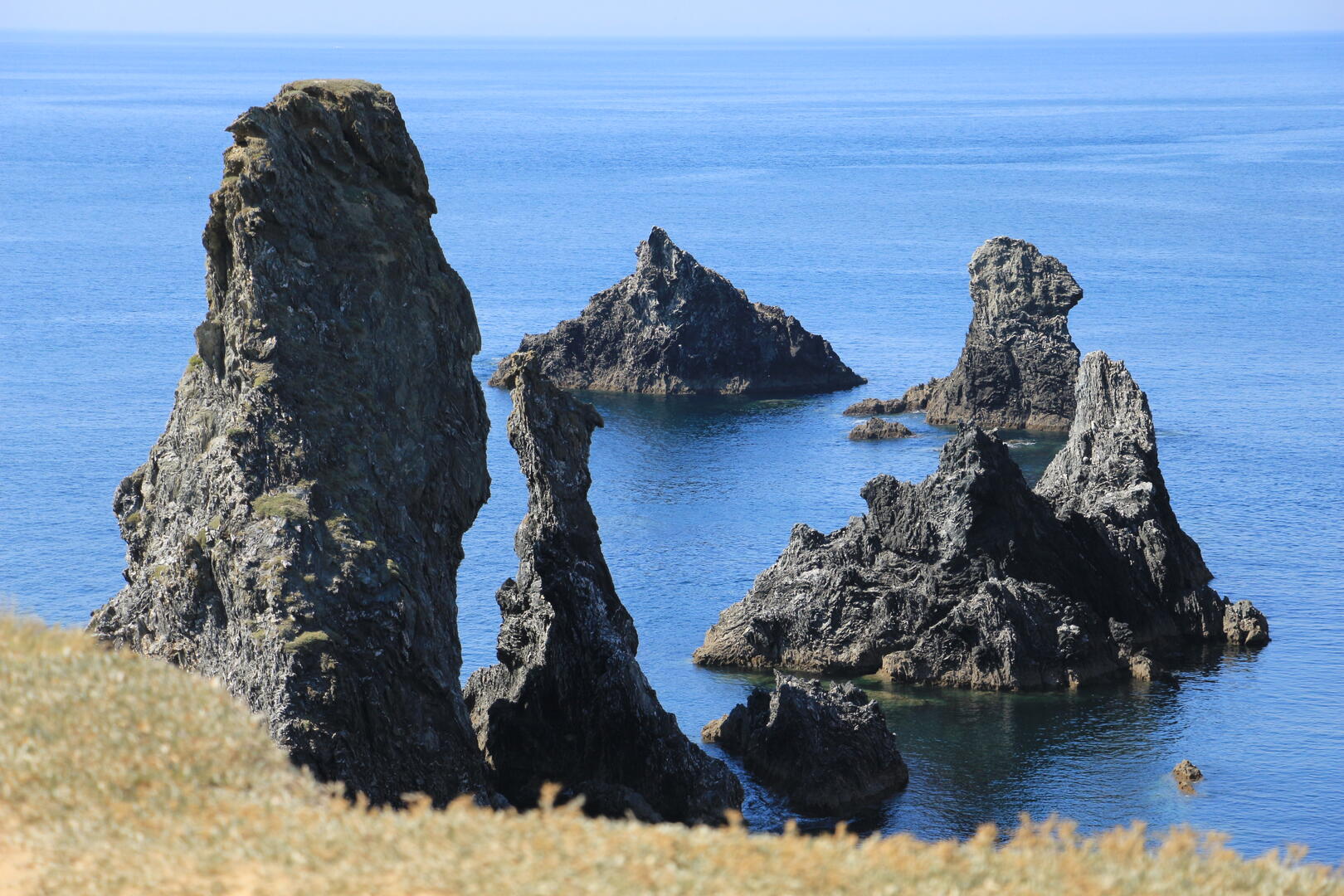
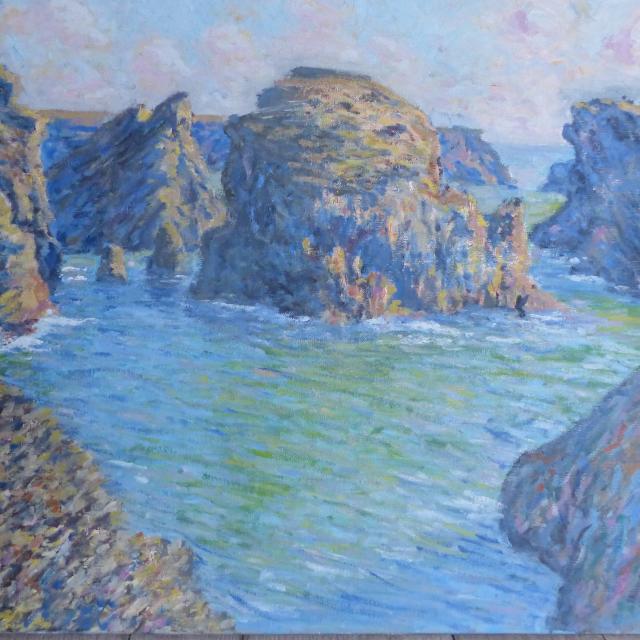
Monet was captivated by this rugged island with its dramatic landscape and black volcanic rock formations that plunged into the sea. His favourite subject was Aiguilles de Port-Coton which he painted again and again in different lights and tides, a practice which came to characterise his art.
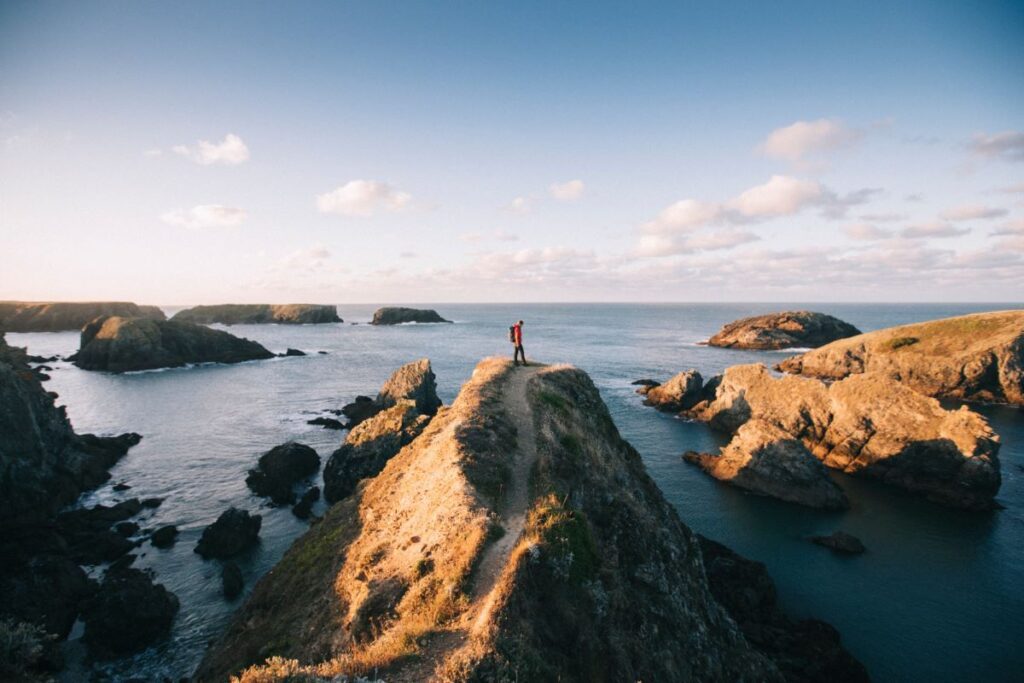
Monet returned to Giverny with 39 works He spent the winter completing the paintings of Brittany and in May 1887 exhibited ten canvases which were sold immediately with enthusiastic reviews. “The most significant landscape painter of modern times” enthused French novelist and art critic, Joris-Karl Huysmans.
Follow in Monet’s Footsteps
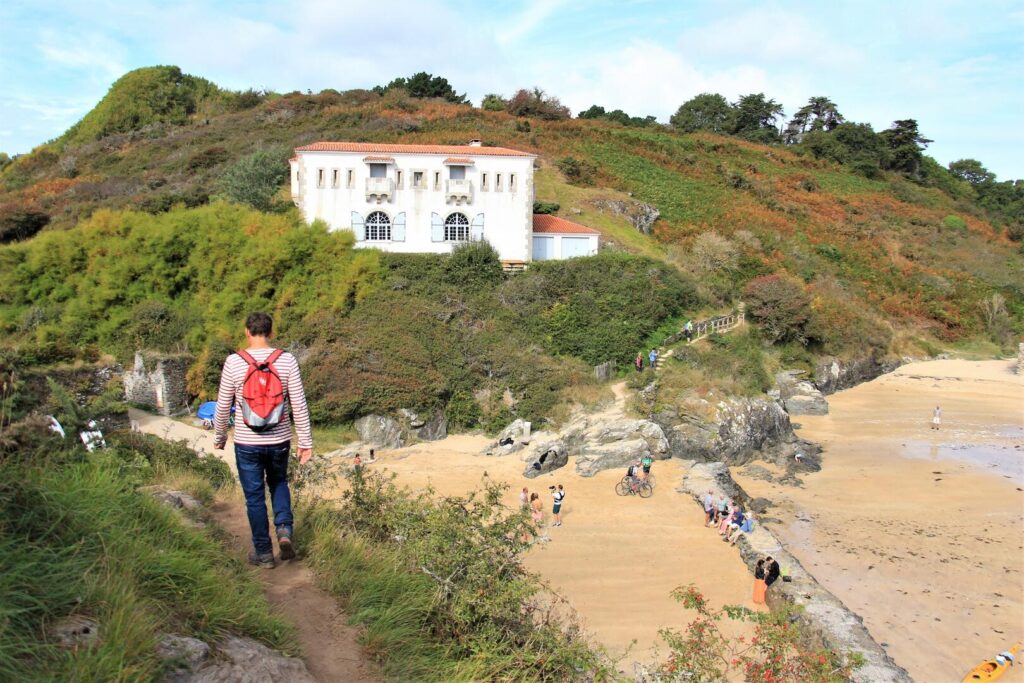
You can follow the paths that Monet took by bike or on foot with 104 kilometres of coastal paths and cycle routes to choose from.
The main cycling route covers approximately 30 kms (19 miles) beginning in Le Palais. It’s a delightful ride, taking you past landmarks like the Grand Phare lighthouse and the village of Bangor. As you cycle along the coast you understand why Monet was so inspired. Or try any of the other routes that run from just a few kilometres to longer rides, criss-crossing the island.
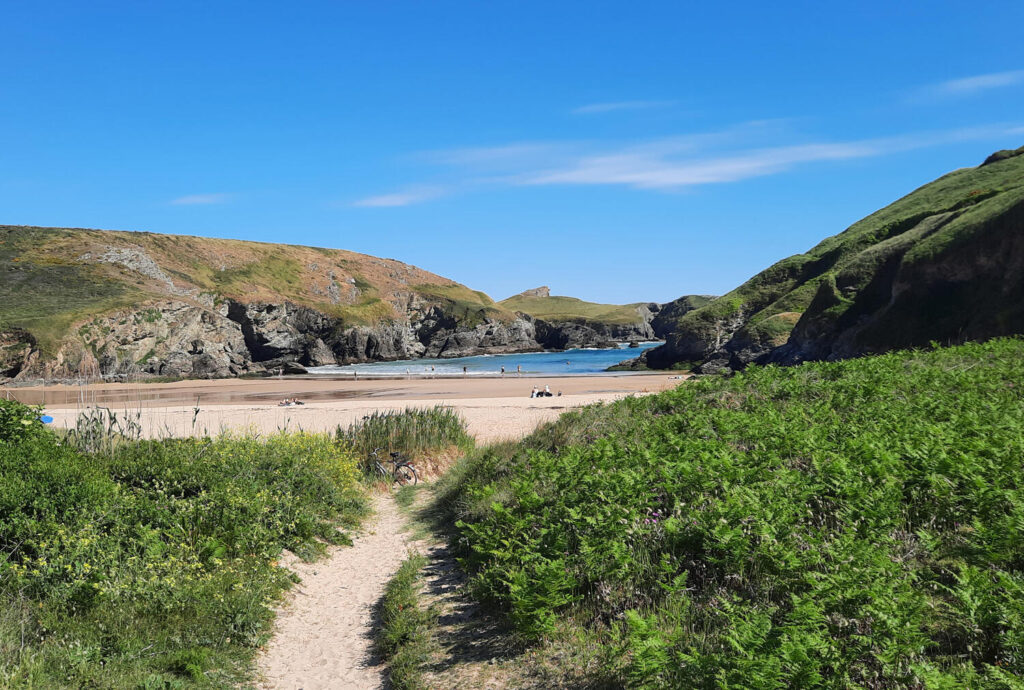
Walkers would do best to take the 11km (7miles) coastal trail which takes you to the places which Monet painted: the Aiguilles de Port-Coton and the Rochers du Lion.
Where to Stay in Belle-Ile
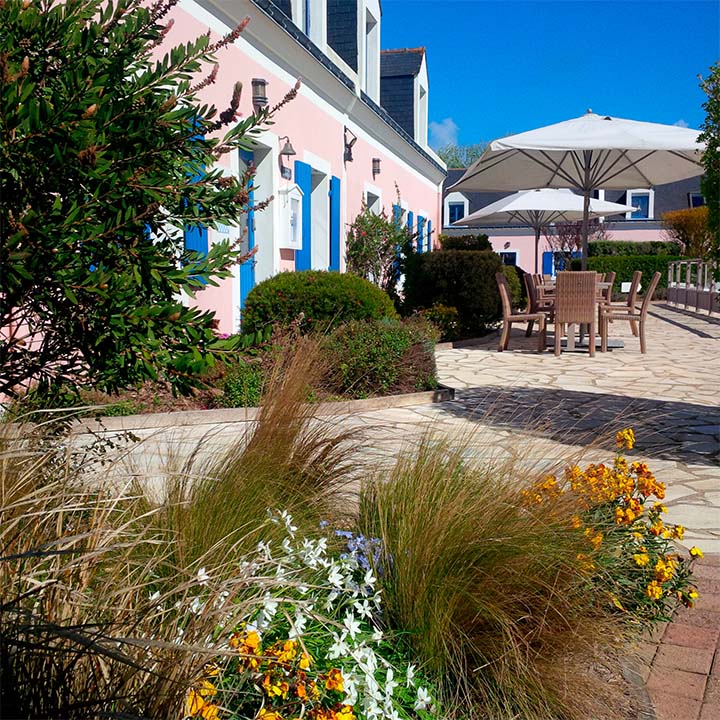
Hôtel La Désirade
This delightful hotel, made up of pink villas built around a swimming pool and set in its own park, is a perfect holiday retreat. It’s just a 20 minute walk to the beaches of Les Aiguilles, so beloved by Monet, though you might prefer to chill out here. The energetic or the curious can hire a bicycle from the hotel The restaurant has a reputation for fresh local fish.
Hôtel La Désirade
847 Le Petit Cosquet
Bangor
56360 Belle-ile-en-mer
Tel: +33 (0)2 97 31 70 70
Website
Double bedroom, from €125 to €299 per night. Family rooms available
How to Get to Belle-Île-en-Mer
Get to Quiberon on mainland Brittany, then take a regular boat from Quiberon to Belle-Ile island.
From the UK to Quiberon
By Air: There are direct flights from London, Manchester, Birmingham, Bristol, and other UK airports to Nantes, Rennes, and Lorient (seasonal). Drive to Quiberon: 2 hours from Nantes Atlantique Airport. 2 hours from Rennes Airport and 1 hour’s drive from Lorient (this small airport only has seasonal flights.
By Ferry: Brittany Ferries operates to various ports. Portsmouth to St Malo then a 2.30hr drive to Quiberon; Plymouth to Roscoff and a 3-hour drive; Portsmouth to Caen and a 4-hour drive.
By Train (via Paris): Eurostar from London St Pancras to Paris Gare du Nord (2h 20m), then transfer to Gare Montparnasse for a TGV (high-speed train) to Auray (3 hours). From Auray, Quiberon is about 45 minutes by taxi or local bus.
From Quiberon to Belle-Ile-en-Mer
The ferry crossing from Quiberon to Le Palais on Belle-Île is operated by BreizhGo Océane. The journey takes approximately 50 minutes, with around 55 crossings per week currently operating on this route. Book in advance for the best fares.
Belle-Île-en-Mer Tourist Office
1 Bis Place de l’Hotel de Ville
56360 Le Palais
Brittany
RELATED POSTS
Normandy Impressionist Festival 2026 celebrates Claude Monet
Normandy Impressionist Festival 2026 – Normandy Tourist Office
Normandy and Impressionism – Discover the great Impressionist art movement and Normandy
Guide to the Impressionist Painters
Normandy Travel Guide – What to see and Do in Normandy