 Mary Anne
The French have always been experts at turning what we consider the most repulsive parts of an animal into what they consider a ’delicacy’. Traditionally these were the cheapest part of an animal, the bits we foreigners would always discard. And we still find these dishes pretty difficult to love. However, if you’re adventurous, you should try them once. And who knows? You might become a big fan. You’ll find these dishes all over France.
These dishes are best found in small, long-standing bistro establishments known for serving cuisine de terroir.
I have recommended a few restaurants which are well known for one or more of these dishes. Despite the fact that the ingredients were/are still much cheaper than other parts of the animal, there are some pretty fancy restaurants offering dishes with such parts – and at a price as well. But there’s a long history for luxury offal; andouillette may have first appeared in the 9th century, at a banquet for King Louis II.
For a more detailed list, have a look at Great restaurants in Paris and the Rest of France serving some of the best offal dishes.
Andouille and Andouillette
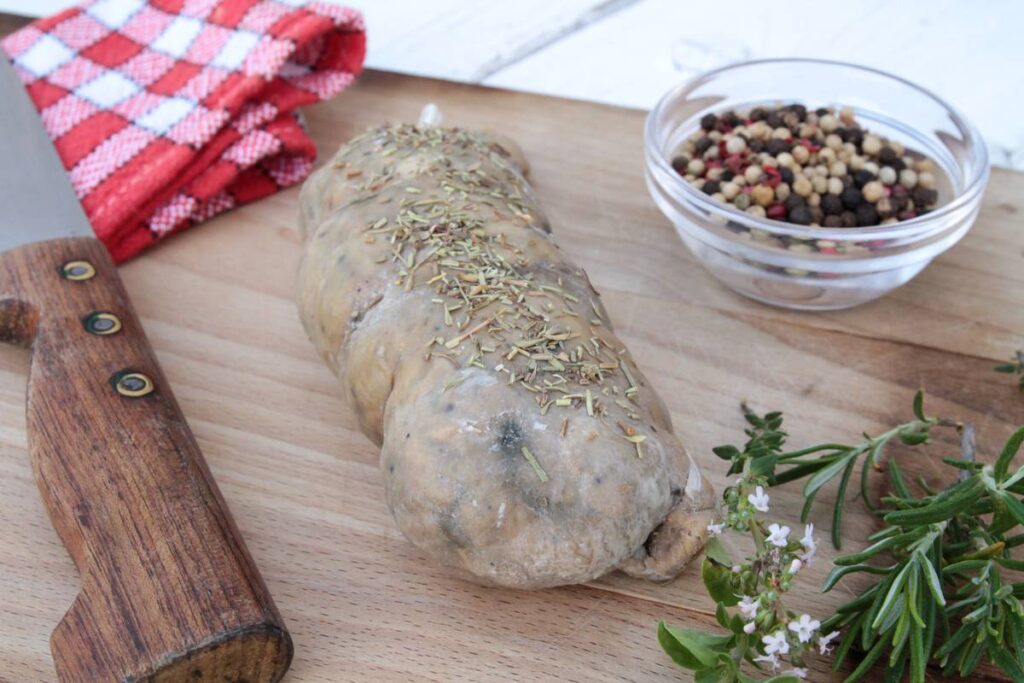
Andouille and Andouillette are distinct French pork sausages based on pig intestines, but they differ significantly in size, smell, and preparation. Andouille is larger, smoked, is often ready-to-eat and has a mild taste; andouillette is a smaller, unsmoked, grilled sausage known for its strong, distinctive odour, which can resemble the smell of manure.
Both feature pork intestines, but andouillette is specifically composed of chitterlings (intestines), often with onions, wine, and seasonings.
Andouille
Andouille is traditional pork sausage, pickled in brine and smoked over beech wood then cooked in water. It’s chunky, and is usually sliced and served cold as an appetizer. Eat it with mustard, cider, and rustic bread. It is sometimes grilled and appears in stews and casseroles. It comes primarily from two regions. Normandy is known for andouille de Vire, coming from a delightful town south west of Caen. Brittany boasts andouille de Guémené from Guémené-sur-Scorff, in Morbihan. It’s distinctive with concentric circles in black and beige-pink and is sweeter than Vire.
Andouillette
Andouillette is a coarse-grained French sausage made from pork intestines (chaudins) and pork stomach, cooked with onions, wine and seasonings for around five hours. It is definitely an acquired taste with its strong flavour and aroma. It’s chewy as well and in my opinion at least, a little goes a very long way.
Andouillette is taken so seriously that it has its own association A.A.A.A.A (Association Amicale des Amateurs d’Authentiques Andouillettes). More simply known as a5, it’s a gastronomic society founded by Francis Amunategui and 4 other lovers of the delicacy in the early 1970s to preserve the standards.
Like many French dishes, it is associated with certain regions. The most famous is the andouillette from Troyes, Champagne, which has a long history. In 1560 at the start of the Wars of Religion between the Catholic League (Troyes) and the protestant Hugenots (royal soldiers), the royal army was in the middle of taking Troyes but so distracted by the andouillettes they found in the city, they were ousted by the Catholic League.
Setting history aside, Troyes is very proud of its andouillette. Andouillette is traditionally served with mustard and potato purée. You’ll find the dish on most bistro menus.
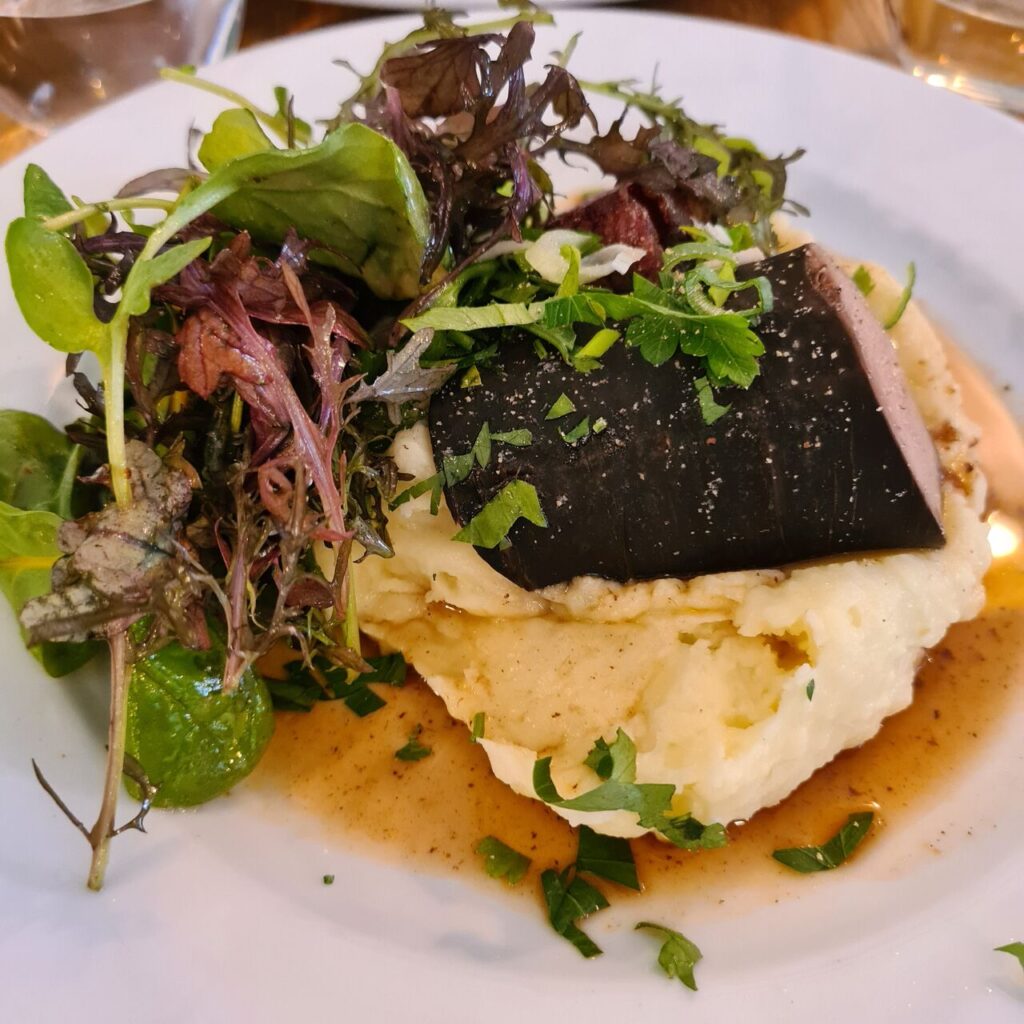
Try these awful offal restaurants for andouille and andouillettes.
In Troyes, go for Octave or Chez Félix; just outside central Paris, in Puteaux, book at L’Andouille. Still in Paris, go for one of the three restaurants in my favorite, very cheap, group Bouillon Chartier.
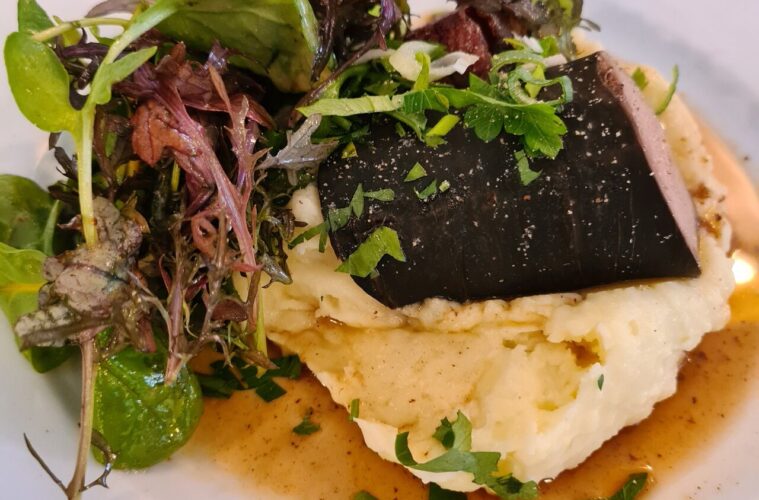
Boudin noir – Black Pudding or Blood Pudding
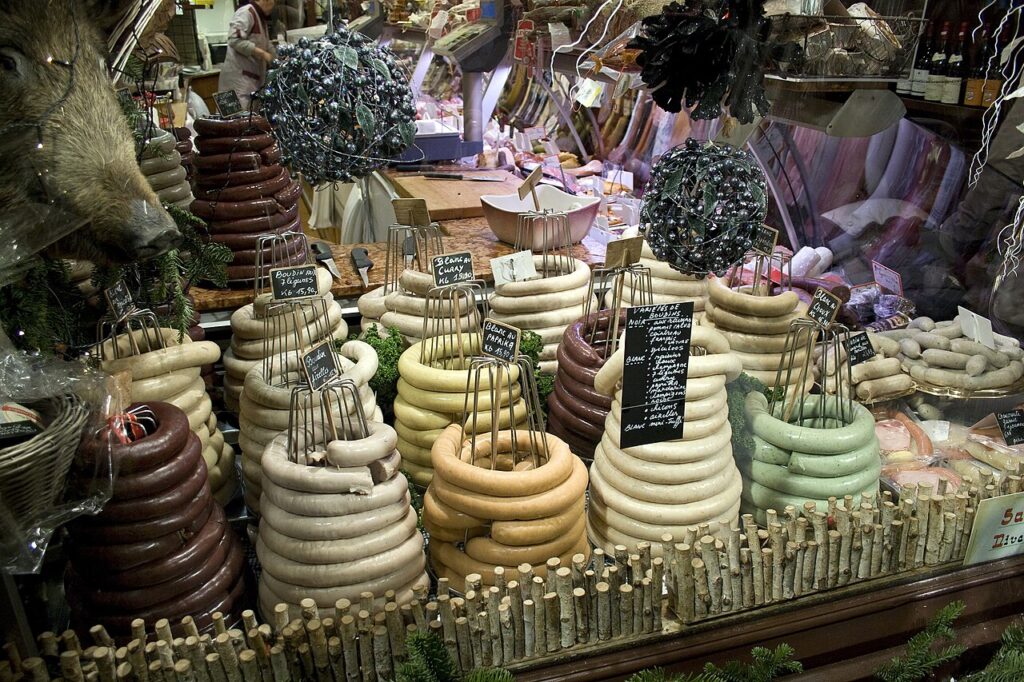
Boudin is made from the blood and fat from a pig plus onions and is wrapped in a casing of either pig or cow intestine. Other ingredients might be added like bread and eggs. It’s made all over France, with different regions producing their own particular flavours. In Lyon, it’s made with cream, raw onions, spinach and flour; in the Auvergne, it includes cooked pig’s head (including the rind), and milk. Black pudding in the Aude is made of pig’s head and throat, rind, deboned trotters and blood. If you’re not attracted by any of these, try boudin aux pommes, found mainly in Burgundy and the Sarthe region Take your pick. But don’t be put off; it’s really delicious.
Traditionally it’s produced right after the pig is killed so is best as winter tightens its grip.
The earliest reference is in Homer’s Odyssey in 800 BC which describes a sausage ‘filled with fat and blood’ roasted over a fire.
Lewis and Clark recorded boudin in their journals of their expedition in the early 1800s. They found boudin in Louisiana, in 1805. You’ll come across it now in Cajun and Creole cooking.
Black pudding is found all over Europe. In the UK, black pudding tends to be eaten at breakfast; in Germany it’s known as Blutwurst; in Belgium it is bloedworst; and Spain has a variation called morcilla. It also comes in a tamer, more modern ‘white’ version’, made of white meats like chicken, veal or pork. What distinguishes the boudin from other sausages is… well, blood.
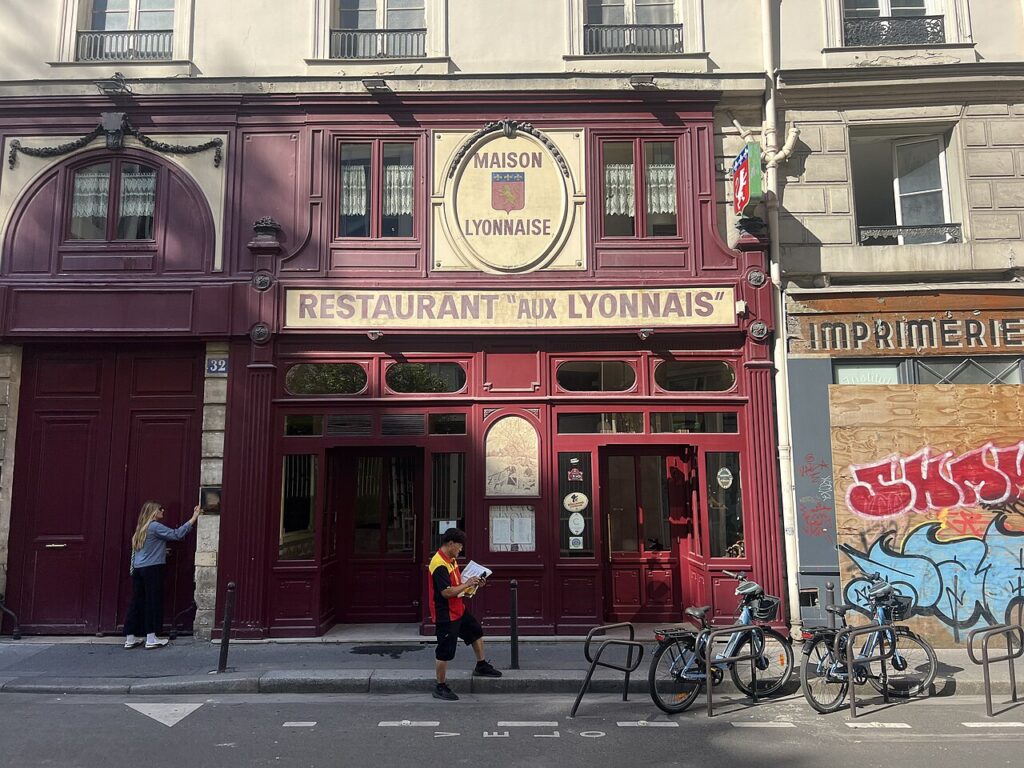
You’ll find boudin noir and blanc all over France. But try Aux Lyonnais for an archetypal Lyon restaurant in Paris and a very well cooked boudin noir.
Cerveaux or Brains
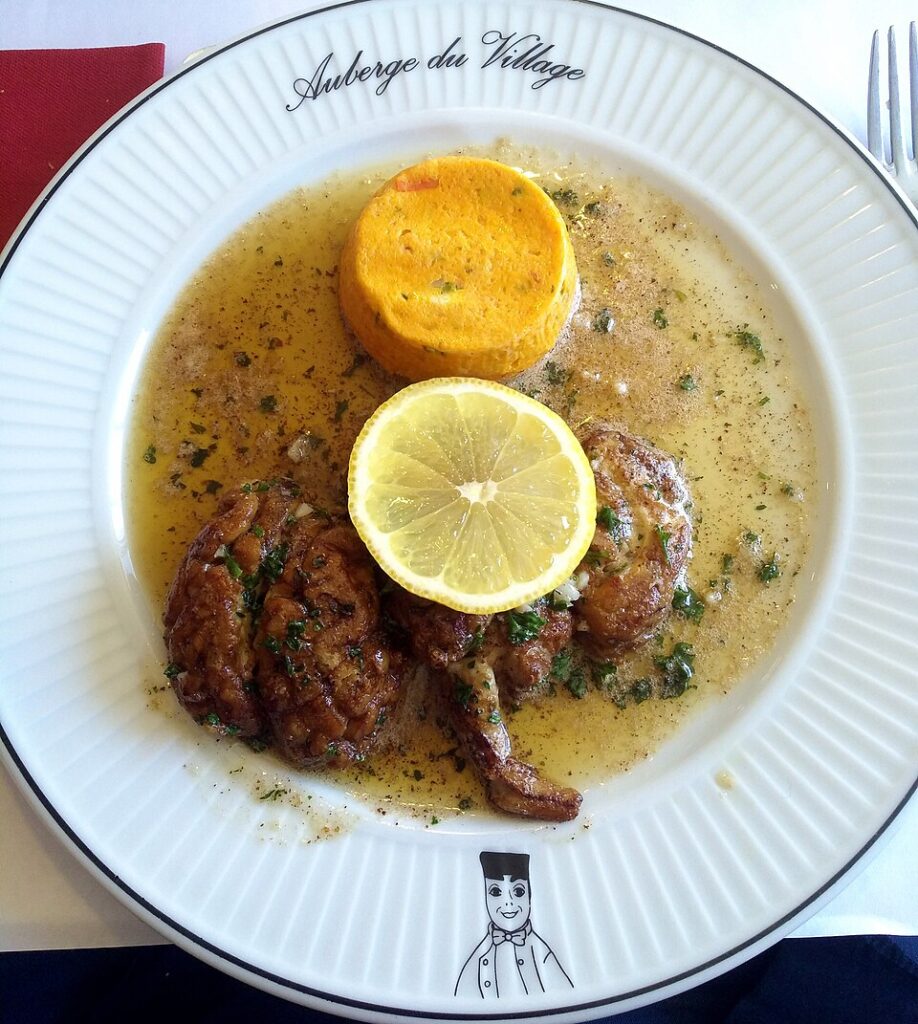
The best brains come from lamb and sheep. Ox brain is firmer and along with calf’s brains, is cheaper to buy, so it’s often used as a filling for pies. It looks pretty vile in a butcher’s window – a handful of large veins, gelatinous, grey with red veins that have to be removed before cooking. Usually brains are lightly dusted with salt and pepper and flour and fried before adding sautéed garlic, parsley and lemon. It’s usually called sautéed cerveaux (fried brains) or cerveau à la meunière on menus.
Also look for the term tête de veau (calf’s head, which includes brains) on menus.
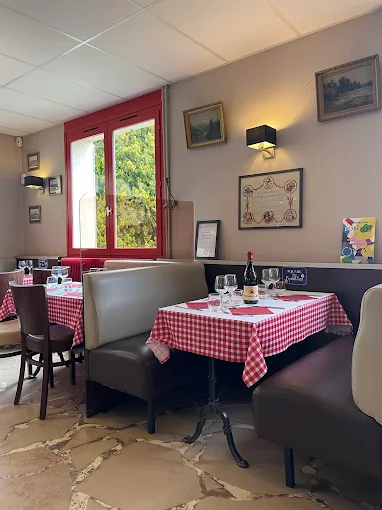
The best cerveaux (brains) are served in traditional bistros in Paris and bouchons in Lyon. Top spots in Paris include the modest bistro Amarante, which will delight offal lovers. Outside Lyon, try L’Auberge du Village in Dardilly, just north west of the city.
Cheval or Horse
Horse meat may be disappearing, but you can still come across the odd Boucherie Chevaline, or horse butcher in France. Some horses are still bred for meat, like Ardennes and Postier Breton horses. Horse meat was sanctioned in France in 1811, when the defeats in the Napoleonic wars and imminent starvation forced soldiers to eat their horses. In 1865 a banquet (Hippophagique, or horse-eating feast) was held in Paris to try to persuade the poor to buy a cheap alternative to beef and pork. The menu included horse-broth vermicelli, boiled horsemeat and cabbage and rum gâteau with horse bone marrow. The same year the first Boucherie Chevaline opened in Paris. During the siege of Paris by the Prussians from 1870 to 1871, many tasted horse for the first time.
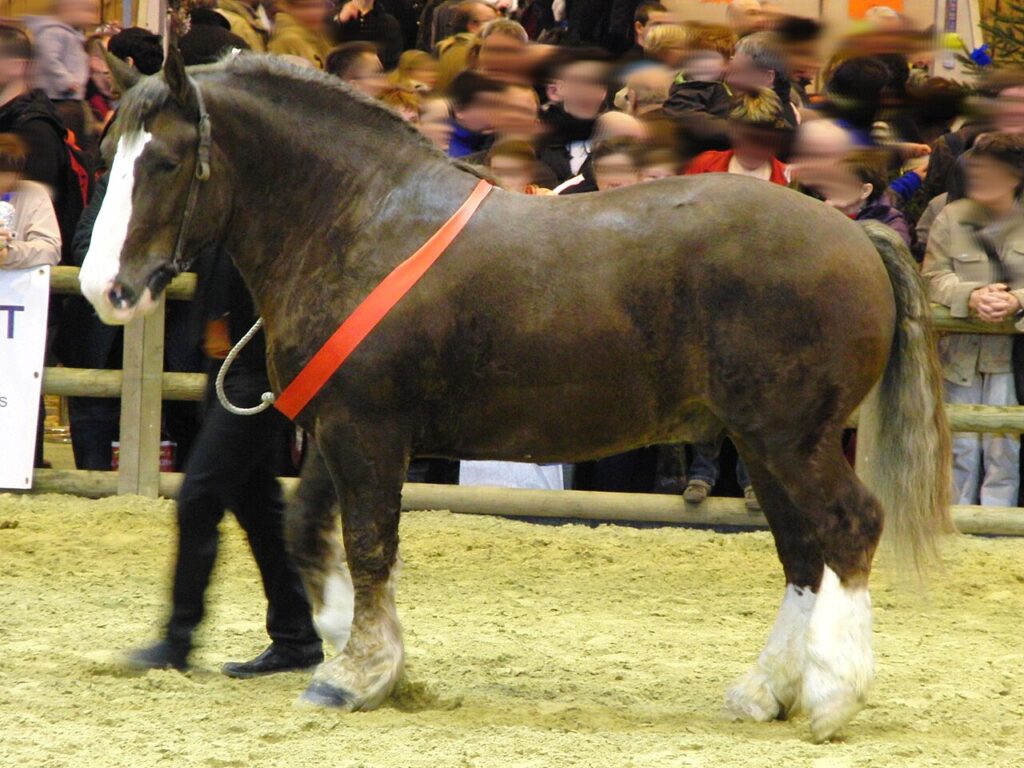
Certain breeds of horse are still reared for their meat. Originally these were draft horses that were threatened with extinction when agriculture became mechanized. Popular in France in the 1980s, it meant certain breeds were safeguarded.
You might find horse on the menu, usually as a steak tartare or as a cooked steak. It’s tender, and has very little fat.
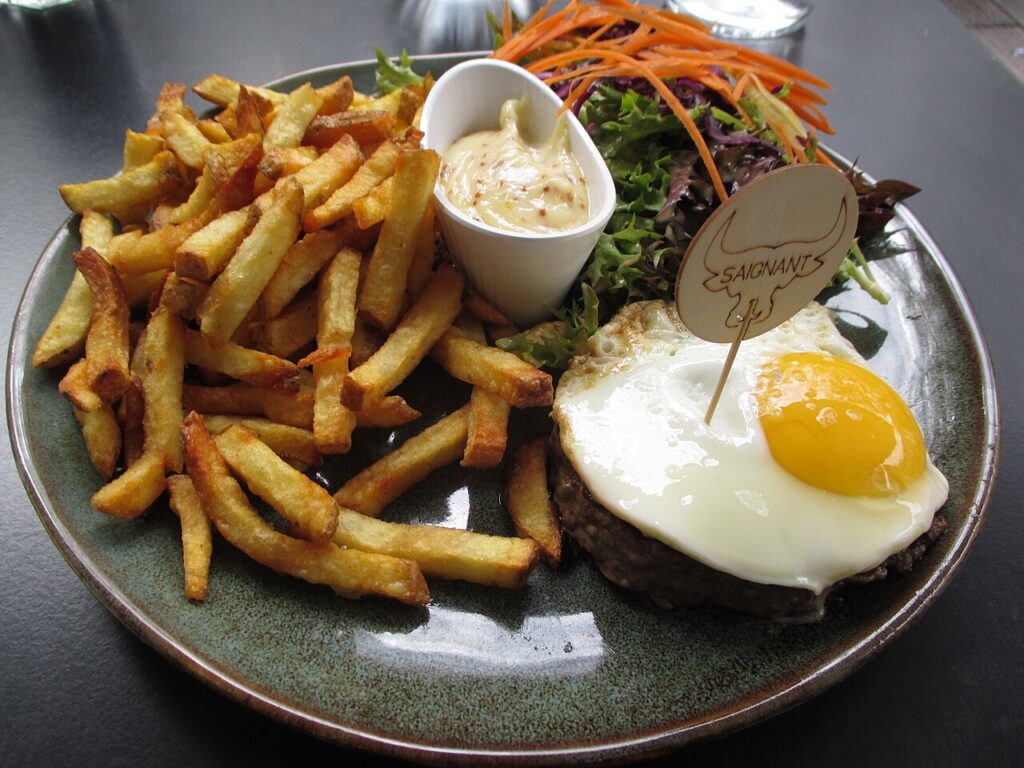
But take note: steak à cheval in a typical French bistro is not horse meat. Translated as ‘steak on horseback’, it’s a ground beef steak topped with a fried egg.
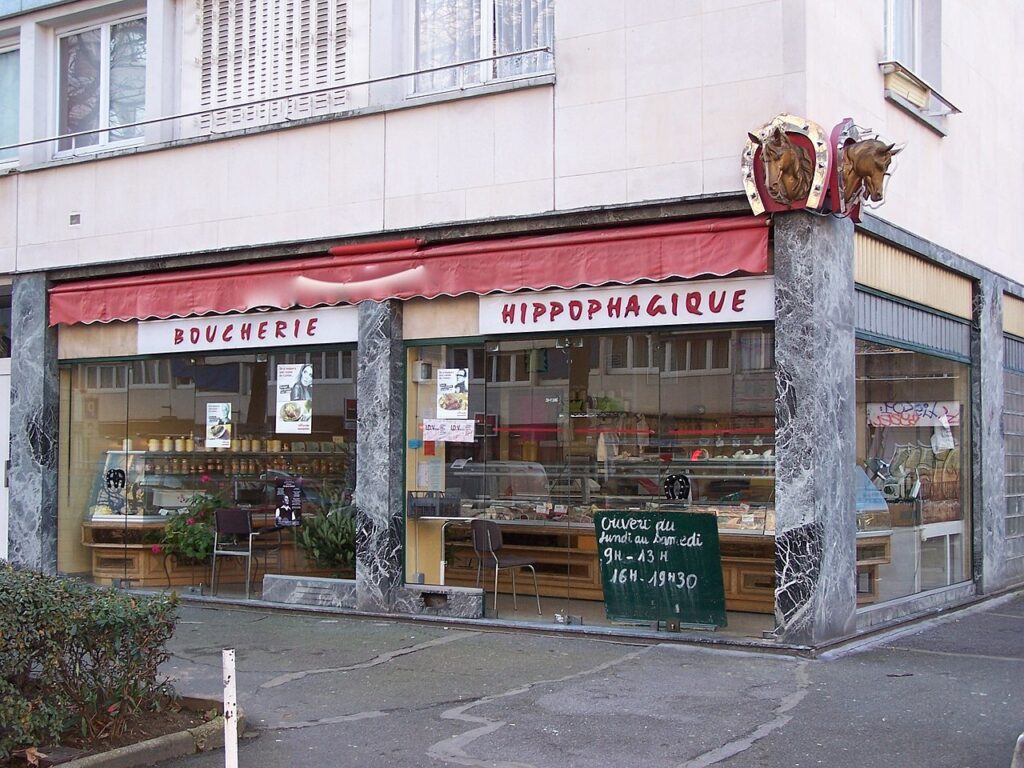
Horse meat is disappearing in France, but you might still come across the odd specialized, historically labelled butcher shops, identified by a horse head sign. But I have not found one yet, so would be grateful for any tips on these shops.
You might find large supermarkets selling raw horse steak like Auchan, Leclerc, Carrefour and Intermarche. Or you’ll come across a traveling chevaline stall at local markets.
While France is still the biggest consumer of cheval, it’s also eaten in Canada, Brazil, Australia, Argentina and Mexico.
Traditional restaurants rarely serve it, but if you want to try it, book at Le Carnegie Hall in Lyon.
Cuisses de Grenouille or Frog Legs
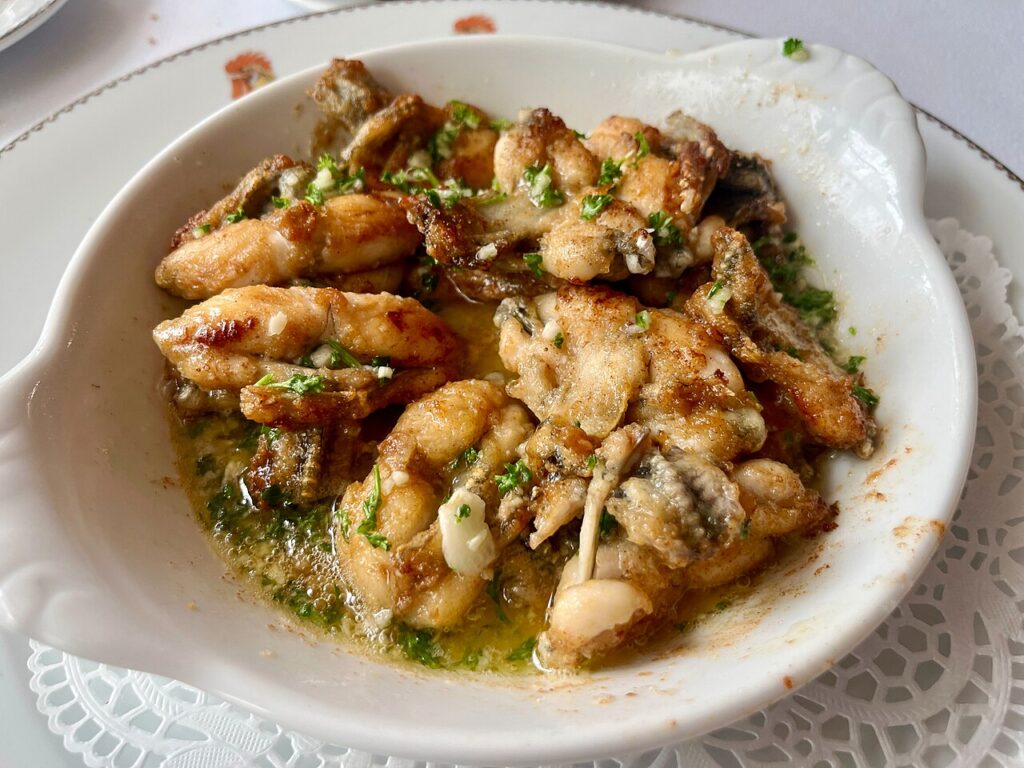
This dish was dying out in France but you’ll find it in traditional bistros and as far as I can judge, it’s coming back into fashion. Frogs are now a protected species in France, so they come from Turkey or Asia where they are also considered proper food. Given the typical British reaction to them, it’s ironic that archeaological evidence from Wiltshire shows a frog cooked here on English soil more than 10,000 years ago. Way before French monks started eating them in the 12th century during Lent, allowed as the church classified frog legs as fish rather than meat. They were written about in The Three Musketeers by Alexandre Dumas, and he included them in his Grand Dictionnaire de Cuisine (1873).
Frog legs taste rather like chicken and are usually seasoned, sprinkled with flour and sautéed. Don’t worry about ordering these for children. My partner did just that for his son Joe (aged 8 at the time), nervously wondering what the reaction would be. Joe was delighted; picked one up and bounced it across the table going ‘boing, boing’ before eating them all.
You’ll find a lot of restaurants serving frog legs, but if you’re in Paris, go for Roger la Grenouille in the Latin Quarter. Others worth booking at include the revered Au Pied de Cochon in Paris, and especially, La Marmite Dauphinoise in Grenoble, where they come as a main dish with a whiskey cream and potato dauphinoise on its €36 menu.
Escargots or Snails

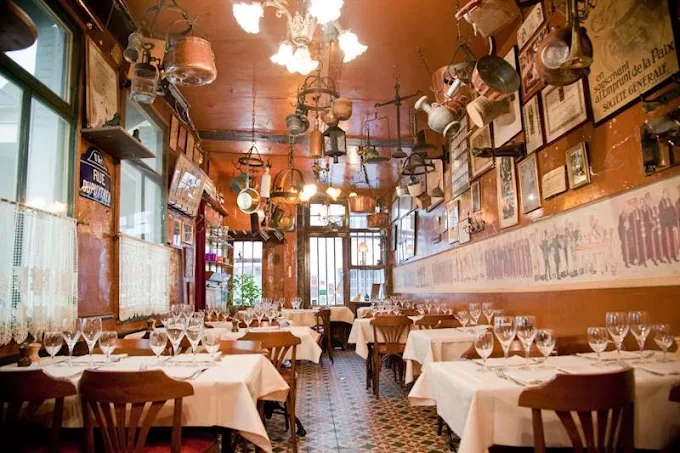
This is a well known and much loved dish. The best snails come from Burgundy and are handsome beasts with a streaked coloured shell. They’re cleaned for 24 hours with no food or water, then removed from their shells and cooked in a good stock, flavored with the likes of thyme, bay leaves and pepper. They’re then put back into their shells and stuffed à la bourguignonne (Burgundy style) with butter flavoured with garlic, shallots and parsley. Dijon mustard can be added. Now most people buy them in tins where they are already cooked with the shells separate.
In Paris go for Le Bouclard in Montmartre which stands out beside the many tourist-orientated restaurants. Le Mesturet near the Opera is another good bet.
Foie Gras or Fat Liver

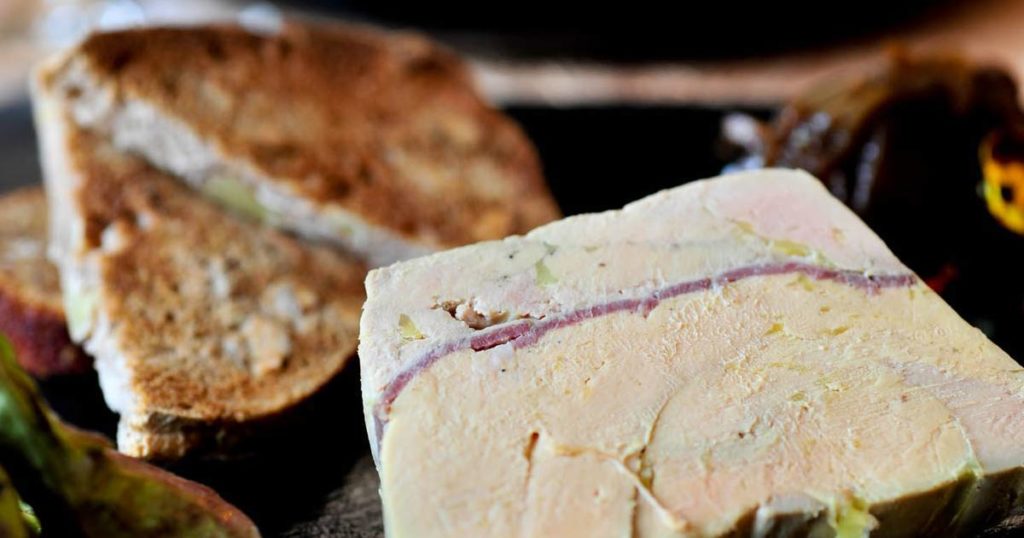
Foie gras is not awful; in fact it is one of the most delicious things I have ever tasted. But many people object to the way it’s produced. The birds (duck and geese) are reared in heated barns then released outside. They’re fed a high-protein diet, then are ready for gavage (force feeding). A feeding tube is put down the throat of the duck or goose, and a measured feed is poured into the stomach two or three times a day to enlarge the liver ten times before they’re slaughtered.
Recognized since 2006 as part of the protected cultural and gastronomic heritage of France, the country produces roughly 80% of the world’s foie gras. Due to ethical concerns, several countries and some regions (like California in the US) have banned the production. Some French producers are developing alternative methods that avoid gavage, though these products cannot be legally labeled as ‘foie gras’ under standard French regulations.
Most restaurants in France will serve foie gras in some form or other.
Gésiers or Giblets
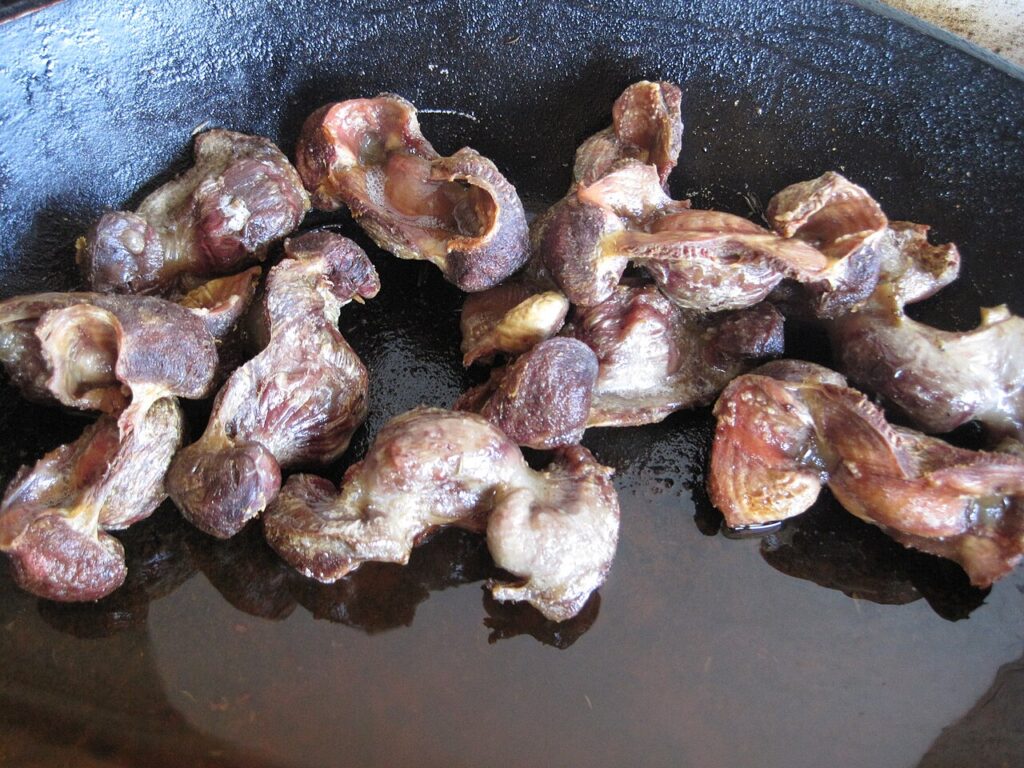
Giblets are made up of different parts of poultry (chickens, turkeys, ducks and geese). The word gésiers is used loosely and can refer just to the gizzard, the thick-walled part of a bird’s stomach which grinds down grit and small stones. However, gésiers can also include heart, liver and kidneys plus the external giblets, the head, neck, wingtips and feet. Note that gésiers de canard confits are duck’s gizzards; gésiers de volaille confits are turkey gizzards,
Gésiers are cooked in various ways. They often appear on menus as salads so watch out for the likes of salade de gésiers de volaille which has green leaves, lardons, tomatoes, eggs and goat’s cheese added to the turkey gizzards.
You can buy the external giblets from larger birds separately at the butcher’s to make pot-au-feu and ragouts.
Gésiers (duck or chicken gizzards) are a staple in French cuisine, particularly in the South-West (Dordogne/Lot/Périgord). They are best found in fermes auberges (farm restaurants), restaurants, and bistros specializing in confit, often served in a salade périgourdine or as gésiers confits.
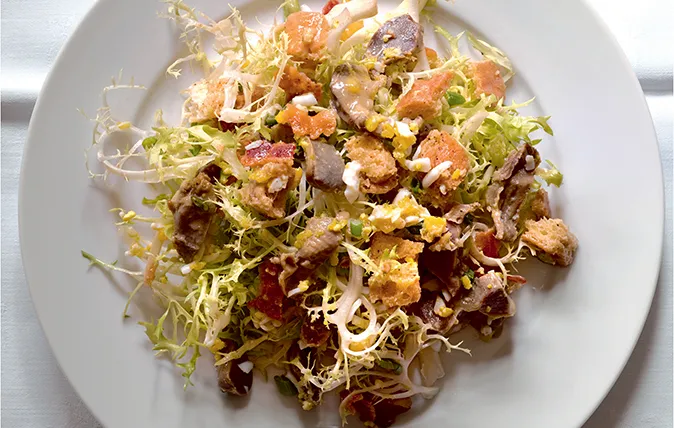
In Paris order them at Le Comptoir de la Gastronomie which doubles as an excellent restaurant and a charcuterie Parisians flock to (well, smart, rich, gourmet Parisians do). In Sarlat, at the heart of duck and goose, book at Les Chevaliers de la Tour for its Périgord salad of foie gras de canard 30%, gésiers, dried duck and walnuts on its €24.90 menu.
Pieds Paquets or Sheeps Trotters and Stuffed Tripe
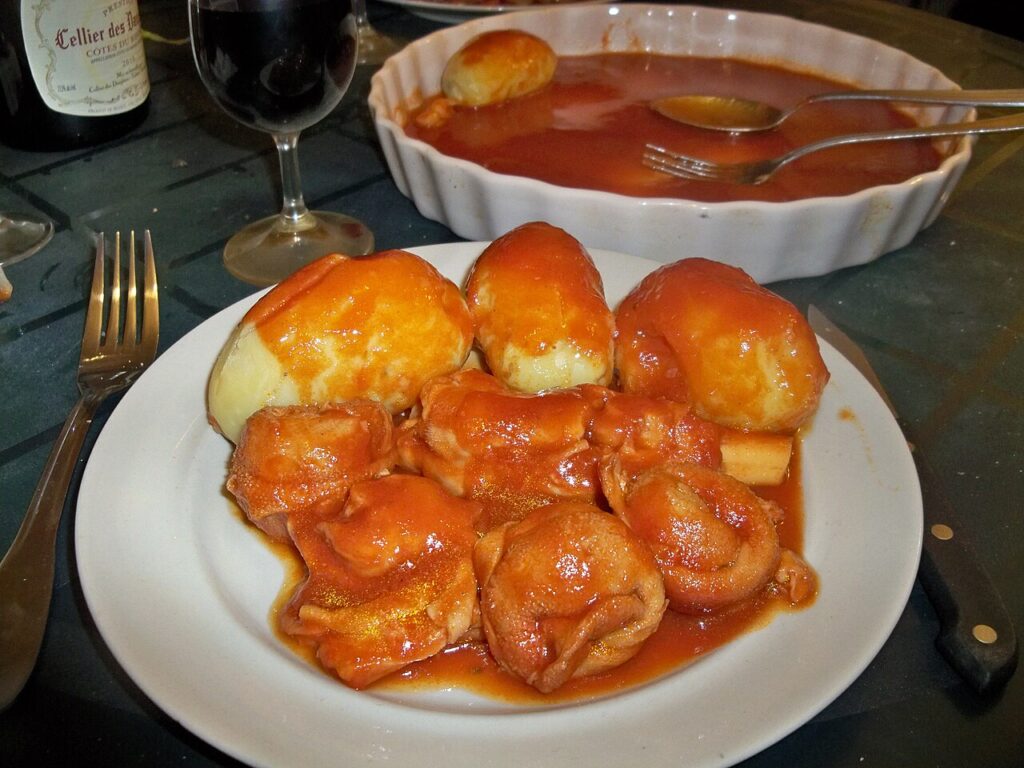
You should try these in Marseille: Pieds paquets were introduced in the 1880s in the Pomme district by chef Louis Ginouvès, then first appeared in recipe books in 1888. Sisteron also claims the dish, but you’ll find it in much of Southeastern France.
So what is this fascinatingly named dish? It consists of sheep’s feet (trotters) and stuffed sheep’s tripe stewed together. The sheep’s tripe is cleaned and cut into four to eight squares which are then stuffed with onions, parsley, garlic, and salt pork before being rolled and wrapped into a small pouch or package. This is then stewed for several hours in a white wine and tomato sauce.[3]
The feet and stuffed offal can also be cooked without the tomato sauce. This typical Provençal variation is known as tripo à la reboulado and is eaten with a vinaigrette.
If you fancy trying to cook them yourself, buy raw feet and packages at the butcher’s, already washed, stuffed and rolled.
In Marseille there are two restaurants that stand out. Chez Madie Les Galinettes down in the old port is welcoming and friendly. Or try Paule & Kopa near the Place aux huiles for another taste of this local speciality.
Ris or Sweetbreads
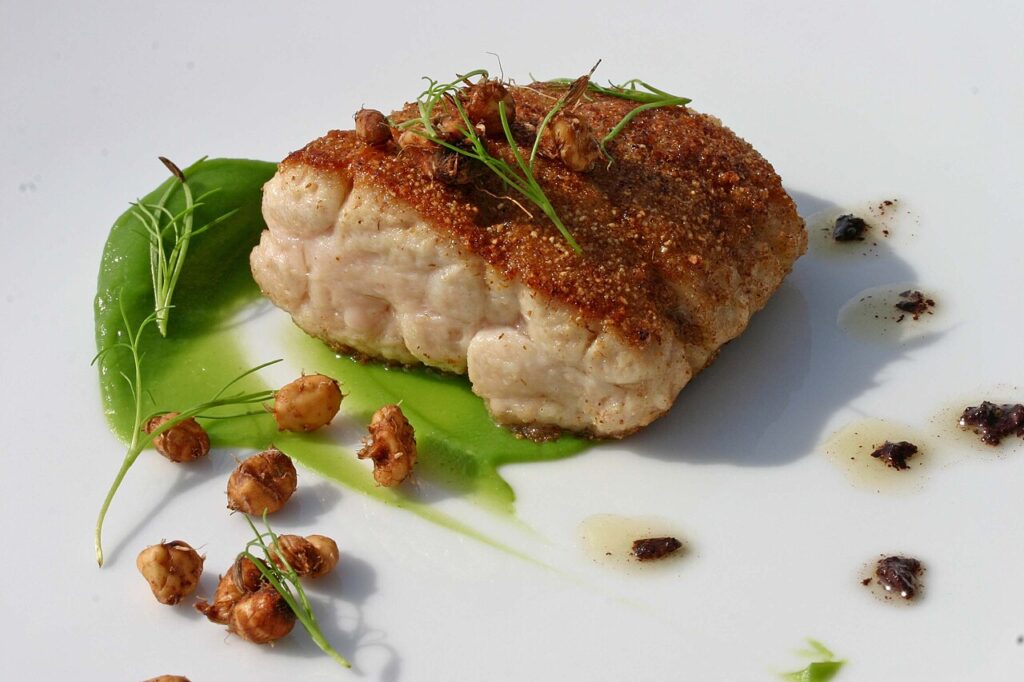
Ris or sweetbreads are the culinary names for the thymus gland in the throat and the pancreas near the stomach in lambs, pigs and calves. They are soaked in salt water, blanched and cooled before being fried, braised, roasted, poached, grilled or cooked on skewers. You mainly come across them as ris de veau (calfs’ sweetbreads) or ris d’agneau (lamb’s sweetbreads).
The word ris can also refer to testicles (known as Rocky Mountain oysters or prairie oysters in America), but in France they are usually the thymus gland. I would recommend trying these; they are delicious though the texture is a little too soft for many people.
In Paris go for the authentic local bistro, L’Aubergeade which is known for its sweetbreads and bone marrow.
Lyon has many bouchons offering this; try one of my favorites, Le Café des Féderations.
Tête de Veau or Calf’s Head
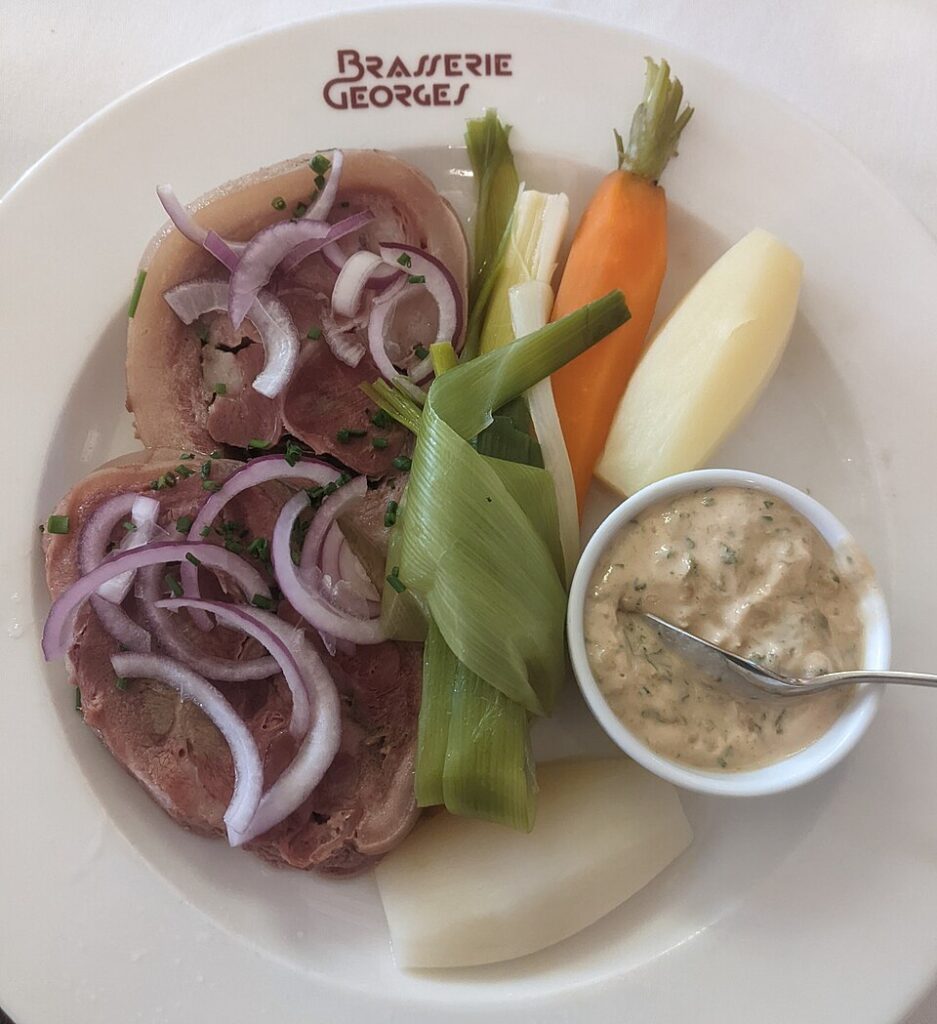
The deboned head is first boiled with spices and then cut and served with a sauce, either gribiche which has cornichons, vegetables, garlic, oil and vinegar, mustard and eggs, or ravigote, which is more like a vinaigrette with additions from some chefs such as eggs.
It was originally made with a pig’s head, which explains why fans of the dish eat it on January 21st, the day that Louis XIV (known to many French citizens as le roi cochon – the pig king) was guillotined in 1793.
It’s definitely an acquired taste but if you’re with a bunch of die-hard French Republicans on that date you might just have to join in.
Try the dish at the classic Parisian bistro in Paris, Le Mesturet, conveniently located between the Grands Boulevards and the Louvre Museum.
In Lyon, Bouchon Les Lyonnais is hard to beat for their tête de veau in home-made gribiche sauce. Or go for the classic, traditional, long-established Brasserie Georges for its superb offal.
Tripeau or Tripe
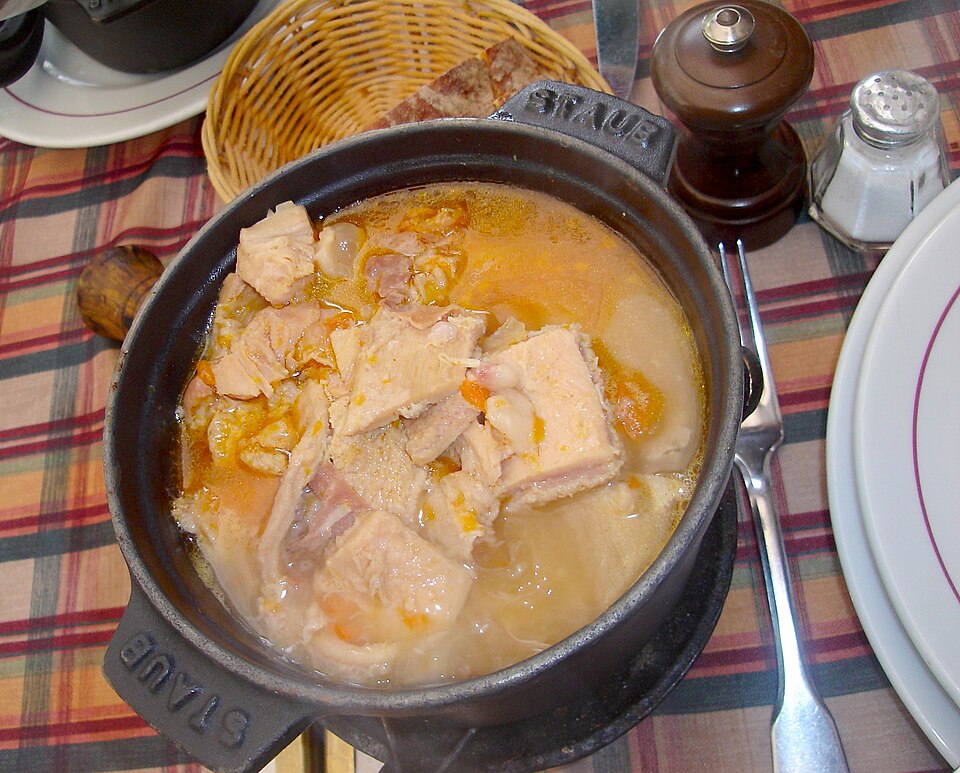
This is the stomach of ox, beef, calf and sheep, usually sold specially prepared or cleaned and looking very white. It’s taken from the first and biggest compartment of the stomach. You can get it from a triperie (tripe butcher). I have not included a picture of tripe in a butcher’s shop – it really does look disgusting.
Tripe is a particularly regional dish; the best known being tripes à la mode de Caen, supported by the Confrérie (brotherhood) of Normandy. It has an illustrious history, apparently being a favorite dish of William the Conqueror who sprinkled the dish with apple juice. That makes sense: tripe is judged at its best in autumn after the apples fall to the ground and are eaten by cattle, giving a particular ‘tripe’ flavour. In Normandy they add calves’ feet and cook in cider and Calvados and herbs, then serve it with steamed potatoes. You’ll find it throughout France at certain restaurants though it’s appearing less.
I first tried tripe when a student at Bristol university. I shared a flat with four other girls and we each had to cook a very cheap meal every week. Of course that meant the cheapest ingredients. Unfortunately none of us had any idea how to cook tripe; it was a disaster and I find myself unable even to venture trying a French tripe dish. I will try harder and hope to report my findings at a later date.
One of the best restaurants for tripe is Le Passe-Porc in Lille, which has grilled tripe as a starter and three different types of tripe as main dishes.
I hope you’ve enjoyed exploring this dip into French delicacies and find it’s not all ‘awful’ offal.
More Foodie Tips
The Food of France – An Intriguing Story
The Food of Provence
The Food in Burgundy
Food of North France
The Best Regional French Food
The Art of Cuisine of Toulouse-Lautrec, cook and artist
Visit the Champagne Houses in Reims
And French Christmas Food, a real feast